Understanding the Noa-Lynn van Leuven Debate: A Deep Dive into Opinions and Perspectives
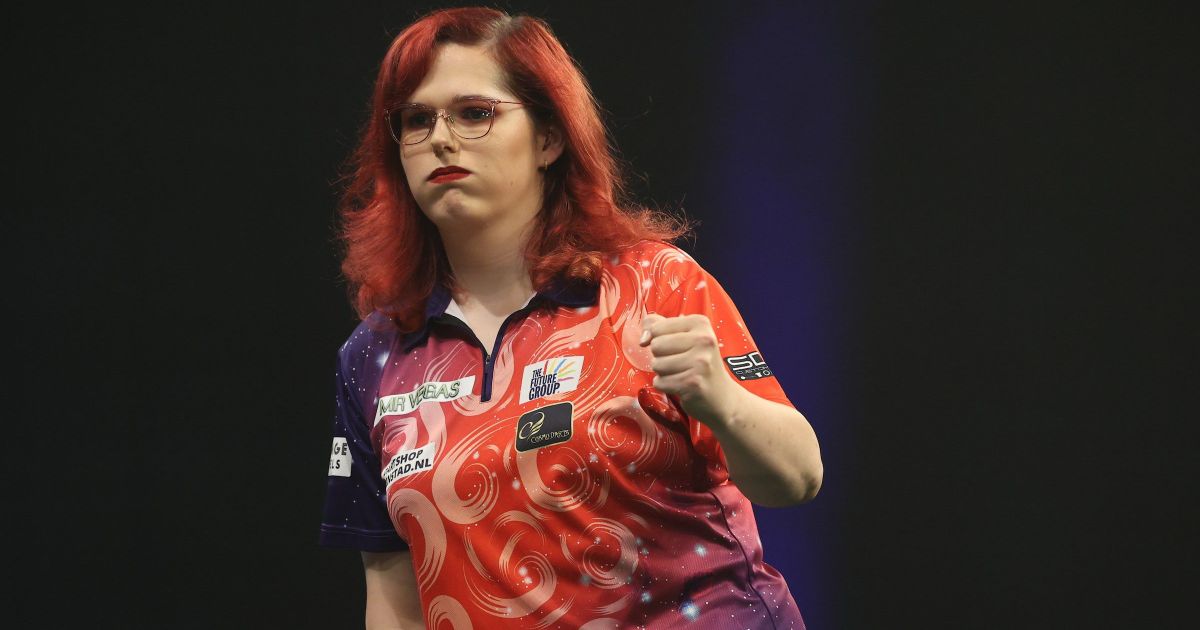
The world of professional darts, a sport celebrated for its precision, mental fortitude, and often its colorful personalities, has recently found itself at the center of a swirling debate. At its core is Noa-Lynn van Leuven, a talented Dutch transwoman whose participation in women's tournaments has sparked widespread discussion and ignited passionate arguments across the sporting landscape. The discourse surrounding her involvement encapsulates broader societal conversations about fairness, inclusion, and the evolving definition of gender in sports. Exploring the various facets of this complex issue means delving into the many individual and collective noa-lynn van leuven meinung that have emerged, each contributing to a nuanced and often contentious public dialogue.
From fellow competitors withdrawing in protest to governing bodies defending their policies based on scientific review, Noa-Lynn van Leuven's journey on the oche has become a lightning rod for different viewpoints. This article aims to unpack these perspectives, examine the policies in place, celebrate her achievements, and consider the wider implications for sports inclusivity. Understanding this situation requires more than just headlines; it demands an appreciation for the personal narratives, the regulatory frameworks, and the scientific considerations that shape the modern sporting arena.
The Controversy Unveiled: Deta Hedman's Stance and Beyond
The most prominent flashpoint in the discussion surrounding Noa-Lynn van Leuven's participation arose during the Denmark Open. It was here that English darts legend Deta Hedman, a player with decades of experience and numerous titles, chose to withdraw from a quarter-final match rather than compete against van Leuven. Hedman's stance was unequivocal, openly stating her belief that "biologically born men should not compete in women's sports." This decision, while personal, sent ripples throughout the darts community and beyond, immediately crystallizing a major point of contention.
For those familiar with the darts scene, Hedman's protest was not entirely unexpected. She had reportedly voiced her opposition to transwomen's participation in women's events for months prior. Her perspective resonates with a segment of the public who believe that individuals who have gone through male puberty retain inherent physical advantages, even after hormone therapy, which could compromise the integrity of women's sports. This noa-lynn van leuven meinung, rooted in concerns about biological fairness, highlights a fundamental tension between inclusion and equitable competition.
Beyond Hedman, similar sentiments have been echoed by other players. For instance, Dutch teammates Aileen de Graaf and Anca Zijlstra famously withdrew from their national team in protest, signaling a broader unease among some female competitors. This collective action underscores that the debate is not isolated to a single incident or personality but reflects a significant divide within the sport regarding the acceptable parameters of participation.
Noa-Lynn's Journey and Achievements on the Oche
Amidst the controversy, it's crucial not to overshadow Noa-Lynn van Leuven's remarkable achievements as a dart player. The 27-year-old Dutch transwoman has earned her place in top-tier tournaments through sheer talent and dedication. Her strong performances in 2023 allowed her to qualify for two prestigious Darts-Profitour events in Hildesheim, a significant milestone for any player. Her participation even led her to face none other than two-time world champion Gary Anderson, a match that, despite a 0-6 defeat, was a huge personal success and a testament to her rising profile.
Perhaps one of her most historic moments came in March, also in Hildesheim, when she sensationally became the first non-male participant to win a mixed-gender PDC tournament. This victory was a clear demonstration of her skill, mental toughness, and ability to compete at the highest levels of the sport, regardless of the gender identity of her opponents. Her presence at events like the Darts World Championship, where she made history as the first transwoman to compete, further cements her status as a trailblazer.
These achievements highlight a core element often lost in the debate: Noa-Lynn van Leuven is a dedicated athlete who has worked hard to hone her craft. Her journey represents not just a personal triumph but also a significant step for visibility within the LGBTQ+ community in professional sports. The discussion around her must, therefore, acknowledge her sporting merit alongside the complex issues it raises. Her success challenges traditional perceptions and forces a re-evaluation of what is possible on the sporting stage.
Navigating the Rulebook: WDF Policies and Scientific Debate
The governing bodies of darts find themselves in a challenging position, tasked with balancing fairness, inclusion, and the existing rulebooks. The World Darts Federation (WDF), for example, has a clear policy regarding the participation of transwomen. Their current regulations permit transwomen to compete in women's events provided they have undergone gender-affirming hormone therapy for at least one year and can provide medical certification of this process. This policy is founded on the WDF's interpretation of current scientific understanding.
The WDF explicitly states that "as long as there are no clearer studies on the visual-spatial differences, the WDF will continue to allow transgender athletes to participate in WDF ranked tournaments for women in accordance with the existing transgender policy." This indicates a reliance on scientific consensus, suggesting that, in their view, there is currently no conclusive evidence demonstrating a significant, unfair advantage for transwomen under their current guidelines. This noa-lynn van leuven meinung, based on scientific pragmatism, contrasts sharply with the concerns of critics.
Critics, however, often argue that the WDF's stance doesn't fully account for the biological realities of male puberty, which they contend confers irreversible advantages in terms of bone density, muscle mass, and lung capacity. They also point to the absence of menstrual cycle-related challenges that cisgender women face. The scientific landscape surrounding trans athletes is still evolving, with ongoing research attempting to quantify any residual advantages. This debate is not unique to darts and mirrors similar discussions in sports like swimming, weightlifting, and athletics. Establishing policies that are both fair and inclusive requires continuous review of scientific developments and a willingness to adapt, ensuring transparency and open dialogue between athletes, scientists, and governing bodies.
The Wider Impact: Protests, Public Opinion, and the Future of Inclusivity
The controversy surrounding Noa-Lynn van Leuven extends far beyond the oche, spilling into broader societal discourse about gender identity, sports, and human rights. The "absurd discussion," as BILD.de describes it, is particularly striking in darts – a sport often highlighted for its mental and precision aspects, and one where men and women have traditionally competed against each other in mixed events, though in separate gender categories for major women's titles.
The different noa-lynn van leuven meinung circulating reflect diverse values and priorities. On one side are advocates for inclusion, who champion the right of trans individuals to participate in sports that align with their gender identity, viewing it as a matter of human dignity and equality. They often emphasize the mental and emotional benefits of sports participation and the harm caused by exclusion. On the other side are those prioritizing biological fairness, arguing that women's sports categories were created specifically to protect cisgender women from potential biological disadvantages against male-born competitors. This group often fears that unchecked trans inclusion could fundamentally undermine women's sports.
The situation in darts serves as a microcosm for a global debate affecting numerous sports. Moving forward, it will be crucial for sports organizations to engage in respectful, evidence-based dialogue, seeking solutions that uphold both the principles of fairness and the importance of inclusion. This might involve exploring new categories, refining existing policies based on robust scientific data, or fostering environments where all athletes feel respected. For a deeper dive into the initial reactions and various viewpoints surrounding this topic, you might also be interested in noa-lynn van leuven meinung - Article 1 and
Staff Writer & Noa-Lynn Van Leuven Meinung Specialist Melissa is a contributing writer at Noa-Lynn Van Leuven Meinung with a focus on Noa-Lynn Van Leuven Meinung. Through in-depth research and expert analysis, Melissa delivers informative content to help readers stay informed.
Melissa Barber